
Missions With the Consfords
July 13, 2026
I remember standing under a baobab tree in a village outside Kumasi, Ghana. The air was thick with the smell of woodsmoke and dust, and a small group of men…
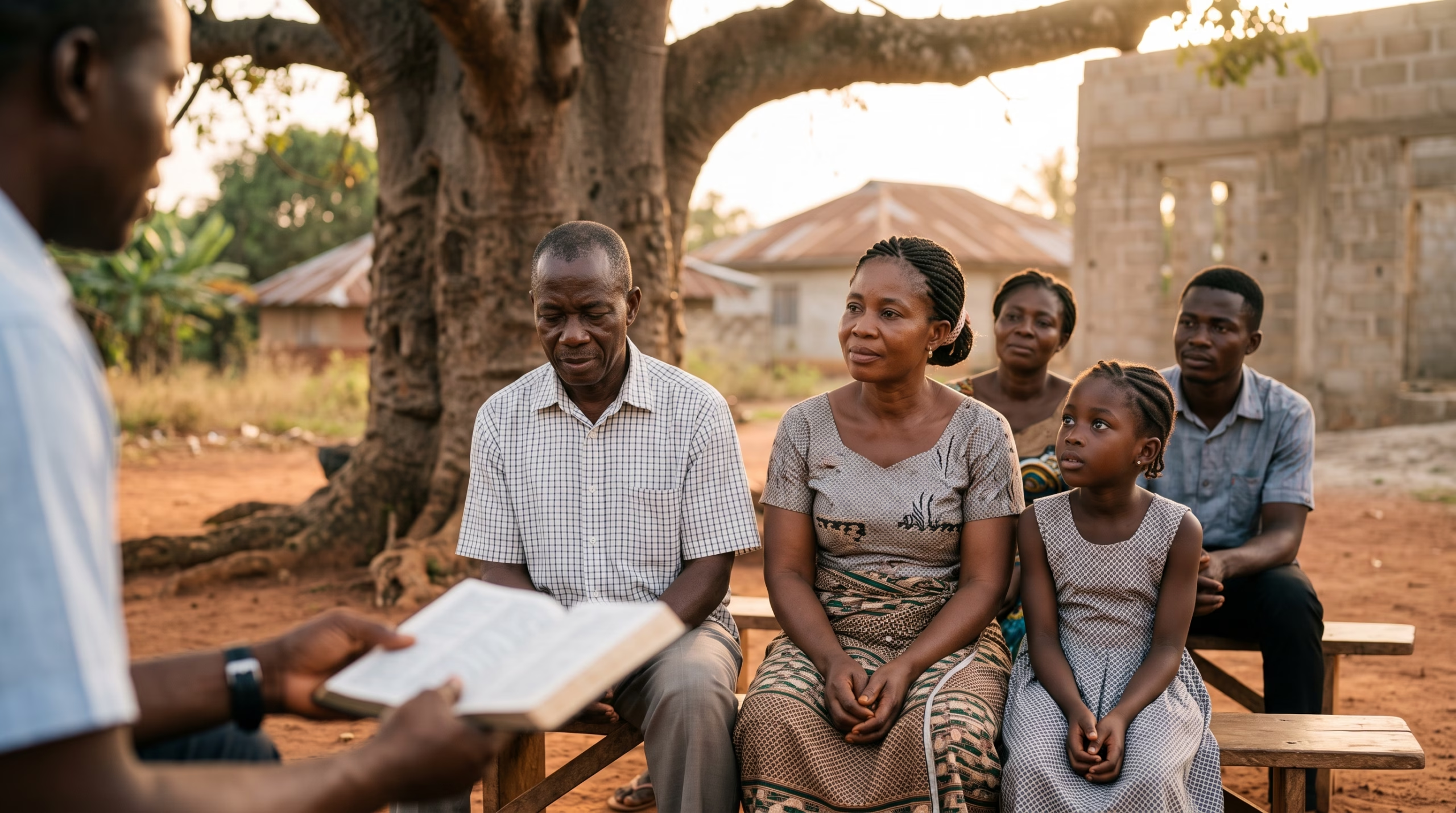
I remember standing under a baobab tree in a village outside Kumasi, Ghana. The air was thick with the smell of woodsmoke and dust, and a small group of men and women sat on wooden benches, listening to the Gospel for the first time. My heart was heavy that day, realizing how many more villages like this existed, untouched. That moment made it clear: if we want to reach the world, we have to figure out how to mobilize your church for missions back home.
It’s one thing to say you believe in missions. It’s another thing entirely to get the whole church body moving in the same direction, with the same burden. My wife Laura and I have seen churches do it well, and we’ve seen churches struggle. The difference isn’t usually a lack of desire, but a lack of a clear plan and consistent effort.
Mobilizing a church for missions isn’t some secret formula you can buy. It’s about a spiritual heart change, a commitment, and then some practical steps. It starts with leadership, filters through the congregation, and then spills out into the world. It’s hard work, but it’s the Lord’s work, and it’s worth every bit of sweat.
Mobilizing Your Church for Missions: The Pastor’s Role
You want to know how to mobilize your church for missions? It begins in the pulpit. It starts with the pastor’s own burden and vision for the lost. If the pastor isn’t on fire for missions, it’s pretty tough to get the congregation fired up. He has to preach it, teach it, and live it. This isn’t just a once-a-year missions conference thing; it’s a constant drumbeat in the life of the church.
The pastor sets the tone. He needs to regularly share about the need for the Gospel around the world, making it personal and urgent. He needs to pray publicly for missionaries and for the lost. When he does, the congregation sees that this isn’t just another program on the church calendar; it’s central to who they are as believers. He also needs to lead by example, perhaps by taking a short-term trip himself, or by consistently inviting missionaries to share.
I’ve seen pastors who talk about missions like it’s a side dish, not the main course. And their churches reflect that. Conversely, I’ve seen pastors who preach with genuine passion about the unreached, and their people catch that fire. It’s contagious, you see. That passion makes all the difference when it comes to getting folks involved. It’s about vision, not just information.
The Bible is clear on this mandate. “Go ye therefore, and teach all nations, baptizing them in the name of the Father, and of the Son, and of the Holy Ghost” (Matthew 28:19). That’s not a suggestion; it’s a command. The pastor’s job is to keep that command front and center, reminding everyone that this is our marching order from the Lord Himself.
Educate and Expose Your People to the Need
Most church folks don’t understand the real need for missions. They might think “missions” means sending money to a guy who builds orphanages in another country. And while that’s good, it’s not the whole picture. We need to educate our people about the spiritual lostness of the world, about different cultures, and about what missionaries actually do. You can’t expect people to care about what they don’t understand.
One of the best ways to do this is through missionary presentations. Don’t just let them stand up for five minutes and take an offering. Give them time to share their heart, their struggles, and their victories. Let them show pictures and tell stories. My wife Laura and I try to do this whenever we’re back stateside. We want people to see the faces of the Ghanaians we serve, to hear the real stories, and to feel a connection.
Short-term mission trips are another powerful tool. Not everyone can go long-term, but many can go for a week or two. Sending teams to visit existing missionaries, help with projects, or do evangelism can be life-changing. I’ve seen church members go on a trip thinking it was just a vacation with a purpose, and they come back absolutely transformed, with a burden they never had before. They see the need with their own eyes. They realize that this isn’t just a trip; it’s a lesson in faith. If you want to be a part of a church that is truly a Missionary on Fire for God, getting your hands dirty on the field is a great way to start.
“Globally, there are still over 3.2 billion people who have little to no access to the gospel, meaning they live in communities with few or no Christians and little or no access to the Bible in their own language.”
International Mission Board
That number, 3.2 billion, it’s not just a statistic; it’s billions of souls who have never heard. It’s a sobering reality. When you start talking about numbers like that, it tends to wake people up. It makes the need for missions not just important, but absolutely critical. We can’t afford to be comfortable when so many are lost.
Cultivate a Culture of Giving and Going
Once people understand the need, the next step is to encourage them to act. This means both giving financially and going personally. Many churches focus heavily on financial support, and that’s vital. Missionaries can’t stay on the field without it. But true mobilization goes beyond just writing a check. It’s about personal involvement.
Financial Support: Faithfulness and Sacrifice
Regular, consistent giving to missions needs to be taught as a spiritual discipline. It’s not just an expense line in the budget; it’s an investment in eternity. We preach about tithing, and we ought to preach just as much about giving to missions. Our church in Ghana wouldn’t exist without the faithful giving of God’s people back home. It’s that simple.
Encourage sacrificial giving. Maybe someone gives up a luxury item for a month and sends that money to a missionary. Perhaps a family sponsors a specific project or a national pastor. When people feel a personal connection to what their money is doing, they’re more likely to give cheerfully and consistently. It’s not about guilt trips; it’s about joyful obedience.
Personal Involvement: Beyond the Wallet
Beyond money, encourage people to use their skills. Does someone in your church know how to build? They could go help a missionary construct a church building. Is someone a teacher? They could help with a VBS or teach English classes. Every talent can be used for the Lord on the mission field. We’ve had folks come to Ghana and help us with everything from medical clinics to vehicle repairs. It’s a blessing to us and a blessing to them.
Some folks can’t go anywhere, but they can serve at home. They can organize care packages, write encouraging letters, or coordinate prayer efforts. Every church has people with a heart to serve, and it’s the pastor’s job to help them find their place in the missions effort. You can find more of our thoughts on practical ministry on our blog.
Missionary on Fire Podcast
Preserving the Legacy of Faithful Missionaries
The Missionary on Fire podcast features interviews with veteran missionaries, classic sermons from the field, and stories of God’s faithfulness across generations. If you love the heart behind these stories, you will love the podcast. New episodes regularly.
Build Relationships, Not Just Programs
One of the biggest mistakes I see churches make is treating missionaries like a program. They send money, they pray for “the missionaries” generically, and that’s it. But missionaries are people. They’re families. They have good days and bad days. They need genuine relationships with their supporting churches.
Encourage church members to adopt a missionary family. This means more than just praying for them. It means sending emails, making phone calls, remembering birthdays, and letting them know they are loved and not forgotten. When we’re out here in Ghana, a simple email from a church member back home can lift our spirits more than you can imagine. It reminds us that we’re not alone.
My wife Laura and I have built relationships over years in Ghana. We’ve learned that systems don’t run things; relationships do. The same is true for supporting missionaries. Don’t just put their name on a prayer list. Get to know them. Ask specific questions about their work and their family. When they come home on furlough, don’t just schedule them for a service; invite them over for dinner. Let them know they are part of your family.
This is where genuine prayer comes in. “Pray without ceasing” (1 Thessalonians 5:17). We need to pray for specific needs: for health, for safety, for open doors, for souls to be saved. When you receive a prayer letter, don’t just skim it. Read it, pray over it, and then respond. Let the missionary know you’re praying. It means the world to us.
Overcoming Obstacles and Staying the Course
Mobilizing a church for missions isn’t always easy. You’ll face apathy, financial struggles, and sometimes even resistance. Some folks just don’t see the point. Others have their own ideas about what the church “should” be doing. You have to be prepared to navigate these challenges with grace and persistence.
Dealing with Apathy and Excuses
Apathy is a silent killer of missions programs. People get comfortable. They get busy. They forget the urgency of the Great Commission. The answer to apathy is not guilt, but renewed vision and consistent teaching. Keep sharing stories. Keep bringing in missionaries. Keep praying. Remind people that their comfort is not the goal; fulfilling God’s will is.
You’ll hear excuses too: “I don’t have enough money.” “I’m too old.” “I don’t have any skills.” The truth is, God can use anyone who is willing. It’s not about our ability; it’s about His power working through us. Help people see how their unique gifts and resources, no matter how small they seem, can be used for His glory. Encourage them to trust God with their fears and limitations. For more practical insights, consider visiting Blue Letter Bible for in-depth Bible studies on God’s call to missions.
Endurance and Long-Term Commitment
Mobilizing a church for missions is not a sprint; it’s a marathon. It takes years of consistent effort. You study again. You visit again. You preach again. You forgive again. You trust God again. There will be setbacks. Missionaries will leave the field. Projects will fall through. But you keep going. The mission field does not reward drama. It rewards endurance.
It’s about building a legacy. It’s about raising up the next generation of givers and goers. My wife Laura and I are here in Ghana building churches, but we’re also praying that the churches back home will continue to send out more laborers. We need more folks on the field, and we need more churches supporting them. It’s a work that will continue until the Lord returns.
We’ve seen the fruit of this kind of long-term commitment. We’ve seen churches grow in their love for the lost. We’ve seen young people surrender to missions. We’ve seen God do incredible things through ordinary people who simply said, “Here am I; send me.” That’s the heart of a church truly mobilized for missions.
If your church wants to be effective in reaching the world, it needs to be intentional about missions. It needs a pastor with a burning heart, a congregation that is informed and involved, and a commitment to genuine relationships. This isn’t just about sending money; it’s about sending yourselves, in whatever capacity God calls you. If you’re ready to light that fire in your church, then you’re ready to become a Missionary on Fire for the Lord. Don’t wait for “someday.” Start today.

Joe Consford is a Baptist missionary serving in Ghana, West Africa, with his wife Laura. He writes about missionary life, missions training, and the work of the Gospel in West Africa at consfords.com.
Frequently Asked Questions
What are the first steps to get a church involved in missions?
The first step to get a church involved in missions is for the pastor to develop a personal burden and vision for the lost. This vision must then be consistently preached, taught, and lived out, making missions central to the church’s identity rather than just a program. This sets the tone for the entire congregation.
How can a pastor effectively promote missions from the pulpit?
A pastor can effectively promote missions by regularly sharing about the global need for the Gospel, making it personal and urgent. Publicly praying for missionaries and the unreached, and leading by example through short-term trips or inviting missionaries to share, are also crucial to how to mobilize your church for missions.
What role does education play in mobilizing a church for missions?
Education is vital because many church members don’t fully grasp the real need for missions. By exposing people to global needs through stories, missionary visits, and biblical teaching, you can cultivate a deeper understanding and burden, which is essential for how to mobilize your church for missions effectively.
What specific biblical mandate supports church missions efforts?
The Great Commission, found in Matthew 28:19, provides a clear biblical mandate: “Go ye therefore, and teach all nations, baptizing them in the name of the Father, and of the Son, and of the Holy Ghost.” This command underscores that global outreach is not optional but central to the church’s purpose.