
Missions With the Consfords
October 30, 2026
Mobilizing Ghanaian Churches to Reach All Peoples As I reflect on my journey to Ghana, I am reminded of the pivotal role that God played in mobilizing local churches to…
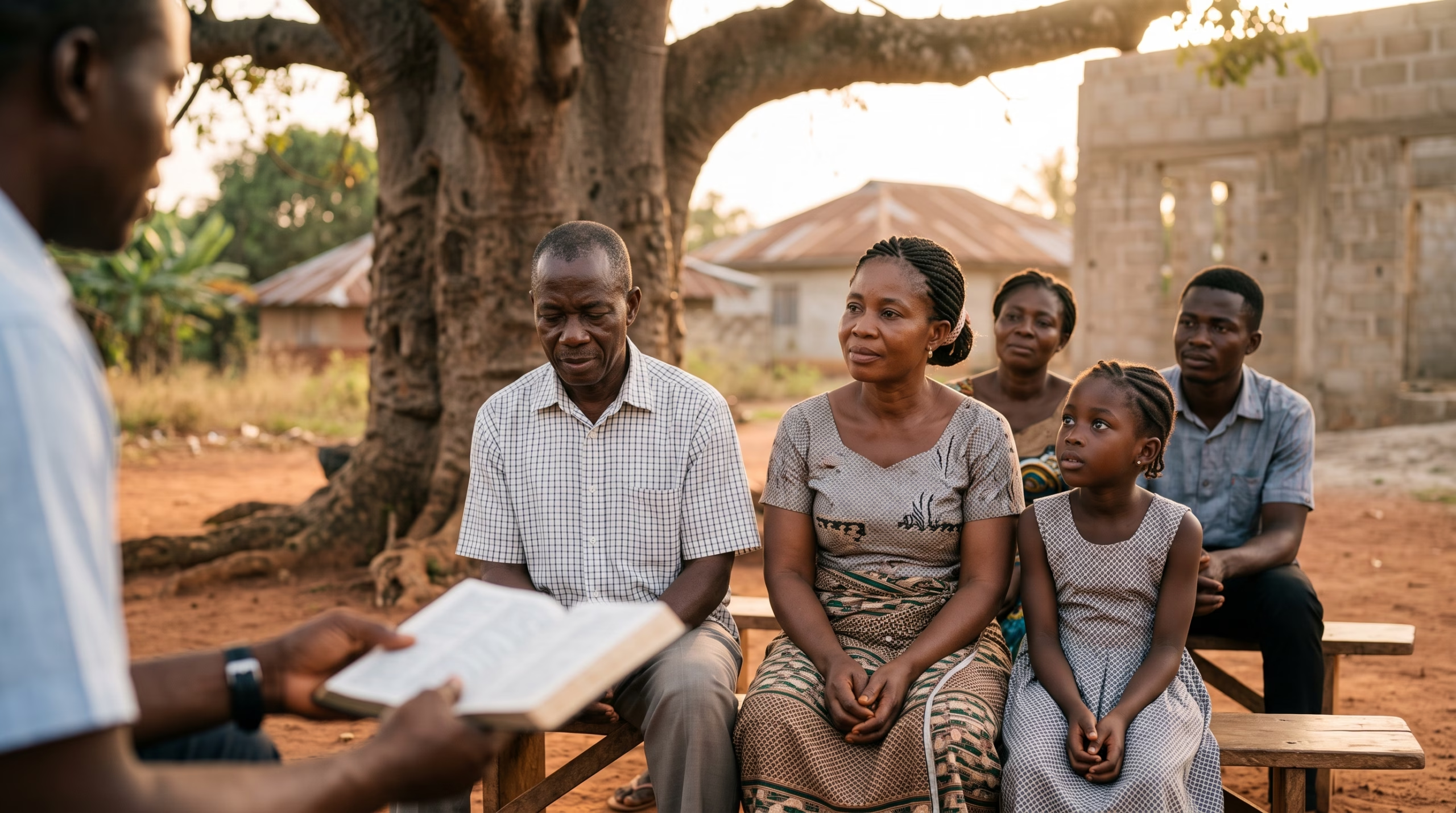
Mobilizing Ghanaian Churches to Reach All Peoples
As I reflect on my journey to Ghana, I am reminded of the pivotal role that God played in mobilizing local churches to reach all peoples. It all began with a small boy named George, who introduced himself with a wide smile and a generous gift of $1.67, all in change. That was our first contribution toward our survey trip, not from a millionaire or a big-name pastor, but from a young boy with a big heart. This experience taught me that God often uses the smallest things to bring about the biggest changes.
One of the most striking aspects of George’s gift was not just the amount of money, but the thought and effort behind it. He had taken the time to save up and collect the coins, and he had written a heartfelt note to accompany the gift. This selflessness and generosity were qualities that I would come to appreciate even more as I learned about the culture and people of Ghana.
The Importance of Community
During our survey trip, we met two missionaries who welcomed us with open arms and helped us navigate the customs of our new home. They were a testament to the power of community in the mission field. As we walked through crowded markets and sat in church services we could not understand, we saw the need and saw God working. I realized that being effective in Africa did not mean preaching louder or building bigger, but rather listening more and understanding the culture.
One of the most valuable lessons I learned during our time in Africa was the importance of community in the mission field. The two missionaries who welcomed us were not just providing practical support, but they were also modeling a way of living that prioritized relationships and community. They showed us that building relationships with the local people, listening to their stories, and learning from their culture was essential to being effective in our ministry.
Learning the Culture
One of the most valuable lessons I learned during our time in Africa was the importance of learning the culture. Dr. Jack Baskin once told me, “Culture is what people are. Learning the culture is saying, ‘I love you enough to become a gentleman in your world.'” This resonated with me, and I realized that being a gentleman in their world meant being respectful, humble, and willing to learn. I started asking questions and seeking wisdom from veteran missionaries, and I was amazed at how much they had learned from the culture.
As I reflect on my time in Africa, I am reminded of the importance of being willing to learn and adapt to new cultures. It is not always easy, and it requires a willingness to listen and be open to new ideas. But it is essential to being effective in the mission field, and it is a key part of building relationships with the local people.
The Role of Local Churches
As I look back on our journey, I am reminded of the critical role that local churches played in mobilizing the community to reach all peoples. In Ghana, the church is often at the forefront of community development and outreach. By partnering with local churches, we can leverage their existing relationships and infrastructure to make a greater impact. I encourage churches to explore opportunities for partnership and collaboration, whether through supporting local missionaries or engaging in community development projects.
One of the most striking aspects of our experience in Ghana was the way that the local church was at the center of community life. They were not just a place of worship, but also a hub of community activity and outreach. By partnering with local churches, we can tap into this existing network of relationships and resources to make a greater impact in the community.
Practical Steps for Mobilization
So, what are some practical steps that churches can take to mobilize their community to reach all peoples? First, they can start by educating themselves on the needs and culture of the community. This can involve sending a team on a survey trip or partnering with a local missionary. Second, they can engage in community development projects that address the physical and spiritual needs of the community. Finally, they can support local missionaries and churches in their efforts to reach the unreached.
One of the most practical steps that churches can take is to start by educating themselves on the needs and culture of the community. This can involve sending a team on a survey trip or partnering with a local missionary. By taking the time to learn about the community and its needs, churches can gain a deeper understanding of how to effectively mobilize the community to reach all peoples.
Missionary on Fire Podcast
Preserving the Legacy of Faithful Missionaries
The Missionary on Fire podcast features interviews with veteran missionaries, classic sermons from the field, and stories of God’s faithfulness across generations. If you love the heart behind these stories, you will love the podcast. New episodes regularly.
Conclusion
As I reflect on my journey to Ghana, I am reminded of the power of mobilizing local churches to reach all peoples. By learning from the culture, partnering with local churches, and engaging in community development projects, we can make a greater impact in the mission field. I encourage churches to explore these opportunities and to remember that God often uses the smallest things to bring about the biggest changes.
Statistical Insight
The International Mission Board reports that there are over 2.3 billion people who have never heard the Gospel. This is a staggering statistic, but it also presents a tremendous opportunity for mobilization. By partnering with local churches and engaging in community development projects, we can reach these unreached peoples and bring the Good News to those who have never heard it. (Source: International Mission Board)
Link to the Consfords’ Pillar Page
For more information on mobilizing local churches to reach all peoples, visit our pillar page at https://consfords.com/blog and explore the resources and articles available there. We also invite you to join us on our mission to reach the unreached and to support local missionaries and churches in their efforts to spread the Gospel.
Link to the International Mission Board
For more information on missions and mobilization, visit the International Mission Board’s website at https://www.imb.org/.

Joe Consford is a Baptist missionary serving in Ghana, West Africa, with his wife Laura. He writes about missionary life, missions training, and the work of the Gospel in West Africa at consfords.com.
Frequently Asked Questions
What is the most important thing to consider when mobilizing local church missions in Ghana?
The most important thing to consider is building relationships with the local people and learning from their culture. This is essential to being effective in your ministry and making a lasting impact.
How can I learn more about the culture and customs of Ghana?
You can learn more about the culture and customs of Ghana by asking questions and seeking wisdom from veteran missionaries. They have learned from the culture and can share their insights with you.
What is the role of local churches in mobilizing missions in Ghana?
Local churches play a critical role in mobilizing missions in Ghana. They provide a sense of community and support for missionaries, and help them navigate the customs and culture of the country. By partnering with local churches, we can tap into their existing relationships and infrastructure to make a greater impact.
How can I be more effective in my ministry in Ghana?
You can be more effective in your ministry in Ghana by being willing to learn and adapt to new cultures. This requires a willingness to listen and be open to new ideas, and to prioritize relationships and community over other factors.